
Understanding the psychological effects of gambling on decision-making and risk perception
Understanding the psychological effects of gambling on decision-making and risk perception
The Nature of Gambling and Decision-Making
Gambling can often be seen as a high-stakes game of chance, where individuals make decisions based on the potential for reward. In this environment, decision-making processes can be heavily influenced by psychological factors, including emotions, cognitive biases, and social dynamics. For instance, when players engage in gambling activities, they may overestimate their chances of winning, particularly after a string of wins. This phenomenon, known as the “gambler’s fallacy,” leads individuals to believe that they can predict outcomes based on previous results, ultimately skewing their decision-making process. Our platform at https://pinko-casino.ca/ is designed to address these factors effectively.
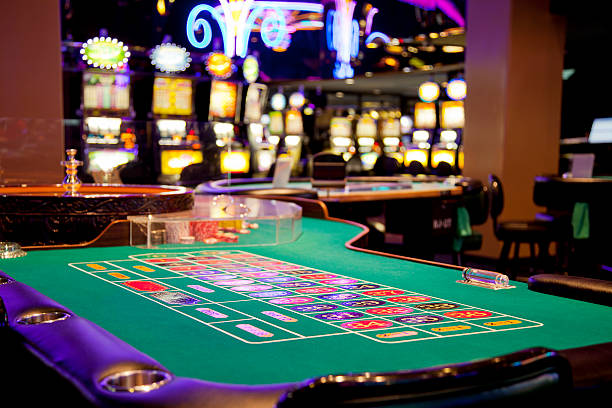
Moreover, the atmosphere within casinos can amplify these effects. Bright lights, sounds of winning machines, and the general excitement can create a euphoric state that clouds judgment. This heightened emotional state often leads gamblers to make impulsive decisions, such as increasing their bets or playing longer than intended. Understanding the psychological effects in this context is crucial for recognizing how easily individuals can veer off their original plans and fall into detrimental patterns of behavior.
Additionally, the social aspect of gambling plays a significant role in shaping decision-making. Many gamblers experience a sense of community or belonging when playing with others, which can pressure them to make riskier choices than they might on their own. This social influence can reinforce existing biases and propel individuals to take greater risks, ultimately affecting their overall perception of risk and reward in gambling situations.
The Role of Cognitive Biases
Cognitive biases are systematic patterns of deviation from norm or rationality in judgment, and they play a crucial role in gambling behavior. For example, the illusion of control bias leads gamblers to believe they can influence outcomes in games of chance, such as dice rolls or card deals. This false sense of mastery can propel players to take unnecessary risks, believing they have a greater chance of success than reality supports. Such biases distort risk perception and encourage more frequent gambling.
Another relevant cognitive bias is the availability heuristic, where individuals rely on immediate examples that come to mind when evaluating a specific situation. In gambling, if a player hears stories of massive wins or sees someone hit the jackpot, they may think their chances of winning are higher. This can lead to an inflated perception of risk versus reward, encouraging further gambling and potentially leading to problematic behavior.
Understanding these cognitive biases is essential for both players and operators in the gambling industry. By recognizing how these biases affect decision-making and risk perception, individuals can develop strategies to mitigate their influence. For operators, creating awareness through responsible gaming initiatives can help foster healthier gambling habits among players.
Emotions and Their Impact on Gambling Behavior
Emotions significantly impact gambling behavior, often leading to decisions driven by feelings rather than logical reasoning. Positive emotions, such as excitement or joy, can encourage players to gamble more aggressively, reinforcing the belief that their luck will continue. Conversely, negative emotions, like stress or sadness, may drive individuals to gamble in an attempt to escape their feelings. These emotional responses can create a cycle of decision-making where players find themselves trapped in compulsive gambling behavior.
Moreover, the concept of ‘chasing losses’ illustrates how emotions can dictate gambling decisions. When players lose money, they may feel compelled to keep gambling in an attempt to win back their losses, often resulting in further financial loss. This behavior highlights how emotional distress can distort risk perception, making individuals less able to recognize the consequences of their decisions. Understanding the emotional triggers can help gamblers manage their behaviors more effectively.
Incorporating emotional awareness into gambling practices can lead to healthier approaches. Recognizing when emotions are driving decisions can empower players to step back and evaluate their actions more critically. By fostering this self-awareness, individuals can create a healthier relationship with gambling, which is particularly important in high-stakes environments.
The Influence of Environment on Decision-Making
The gambling environment itself is meticulously designed to encourage players to make more impulsive and riskier decisions. Elements such as layout, sound, and lighting all work together to create an engaging atmosphere that keeps players inside the casino longer. This design can significantly impact decision-making as players become desensitized to the consequences of their actions and more focused on the immediate thrill of the experience.
The presence of other gamblers can also influence individual decisions. Observing others win or lose can lead individuals to either feel encouraged to take risks or deterred from playing. This social environment can amplify feelings of excitement or anxiety, thus affecting how decisions are made. The peer pressure to engage in higher-stakes gambling or to play certain games may compel individuals to take risks they normally would avoid.
Understanding how the environment affects decision-making can help both players and casino operators create a more balanced experience. For players, awareness of environmental influences can prompt them to set personal boundaries and make more informed choices. For operators, designing spaces that promote responsible gambling can enhance the overall experience while also encouraging healthier behaviors among players.
Pinko Casino: A Responsible Gaming Environment
At Pinko Casino, we recognize the significant psychological factors involved in gambling and strive to create a safe and responsible gaming environment. Our platform is designed for Canadian players, offering a vast selection of games, including live dealer options and slots, all within a framework that prioritizes player safety. By integrating responsible gaming practices, we aim to enhance the overall experience while promoting healthier decision-making.
We believe that education plays a pivotal role in fostering responsible gambling habits. Through our platform, players have access to resources that explain the psychological effects of gambling, including cognitive biases and emotional triggers. By raising awareness, we empower our players to make informed choices and mitigate the risks associated with gambling, enhancing their overall enjoyment.
Our commitment to player safety also includes offering secure transactions and 24/7 customer support, ensuring that players have the tools they need to make responsible decisions. At Pinko Casino, we are dedicated to providing a gaming experience that is not only enjoyable but also mindful of the psychological elements at play.
Leave a Reply